
News
From Awareness to Action: Creating Workplaces That Truly Support Mental Health

Eating and drinking well is one of the simplest, most powerful things we can do to support our overall health and wellbeing. Yet for many people, particularly those living with health conditions, memory challenges, or reduced mobility, it can quietly become one of the hardest. At Riverside, we see this every day. And we also see how small, thoughtful adjustments can make a very big difference. Why Nutrition and Hydration Matter So Much Food and drink do far more than fuel our bodies. Good nutrition supports our immune system, maintains energy levels, aids healing, and helps protect against a range of health complications. Staying well hydrated supports concentration, kidney function, circulation, and even mood. When either slips, even gradually the effects can be significant. Fatigue, confusion, dizziness, increased risk of falls, and slower recovery from illness can all be linked back to not eating or drinking enough. Yet these signs are often attributed to other causes, meaning the connection to food and hydration is missed. That's why it's so important to stay attentive, and why the people supporting someone in their daily life have such a meaningful role to play. The Challenges People Face There's no single reason why eating and drinking well becomes difficult. For many people, it's a combination of factors: Reduced appetite — Common in older age, or as a side effect of medication or illness. Difficulty swallowing — Known as dysphagia, this affects many people and can make eating feel anxious or uncomfortable. Memory and cognition — Someone living with dementia may forget to eat, lose interest in food, or find mealtimes confusing. Low mood or depression — When motivation is low, preparing food or sitting down to eat can feel like too much effort. Practical barriers — Reduced dexterity, difficulty standing at a cooker, or limited access to fresh food can all get in the way. Sensory changes — Taste and smell can diminish with age or illness, making food feel less appealing. Understanding the why behind someone's relationship with food is the first step to providing the right kind of support. Small Changes That Make a Real Difference The good news is that it doesn't take dramatic intervention to improve things. Often, it's the gentlest adjustments that have the most impact. Keep Meals Familiar and Comforting This isn't the time for culinary adventure. Food that feels familiar, meals someone has always enjoyed, flavours that bring back good memories is far more likely to be eaten and enjoyed. A bowl of soup, a cheese sandwich, or a favourite pudding can be just as nourishing as anything more elaborate, and it carries the added warmth of comfort and recognition. Smaller, More Frequent Portions A large plate of food can feel overwhelming, especially for someone with a reduced appetite. Offering smaller amounts more regularly little and often takes the pressure off and can actually result in better intake overall. A few biscuits with a cup of tea, a small bowl of fruit, or a light snack mid-morning all count. Make Eating Feel Like a Pleasure, Not a Task The atmosphere around mealtimes matters enormously. Sitting together, removing distractions, using familiar crockery, and taking time without rushing all help make eating feel enjoyable rather than functional. A calm, unhurried environment can encourage someone to eat more naturally and comfortably. Gentle Encouragement Goes a Long Way Sometimes all it takes is a cheerful prompt, a friendly presence, or a simple offer "Shall we have a little something?" to make eating happen when it otherwise wouldn't. Encouragement should always be warm and patient, never pressured. Mealtimes should feel safe, not stressful. Hydration: The Quiet Priority Dehydration is surprisingly common, and often overlooked. Many people particularly older adults, have a reduced sense of thirst, meaning they genuinely don't feel the urge to drink even when their body needs fluids. A good rule of thumb is little and often. Rather than expecting someone to drink a full glass of water in one go, keeping a drink close by and offering small sips regularly throughout the day is far more effective. Variety helps too. Not everyone enjoys plain water, and that's completely fine. Tea, warm squash, fruit juice, milky drinks, soups, and smoothies all contribute to fluid intake. Asking what someone enjoys and making sure it's available shows care and increases the likelihood they'll actually drink it. Signs of dehydration to look out for include: Darker urine than usual Headaches or dizziness Confusion or unusual tiredness Dry mouth or lips Less frequent visits to the bathroom If any of these are noticed, offering drinks more proactively and, where needed, raising concerns with a healthcare professional is always the right approach. Mealtimes Are About More Than Food At Riverside, we believe strongly that mealtimes are about far more than nutrition. They are a moment in the day that carries real meaning, a chance for connection, conversation, routine, and enjoyment. For many people we support, sitting down to a meal or sharing a cup of tea is one of the highlights of their day. It's a moment of normality, comfort, and companionship. That's why we approach food and drink not as a task to be completed, but as a genuine part of someone's quality of life. Our team takes time to understand what people enjoy, what feels manageable, and what makes mealtimes feel good. We work collaboratively with families and healthcare professionals where needed, and we're always attentive to changes that might suggest someone needs additional support. When to Seek Further Support While many challenges around eating and drinking can be helped with the right day-to-day support, there are times when professional input is needed. It's worth speaking to a GP or healthcare professional if: Someone is losing weight unexpectedly Swallowing difficulties are causing distress or coughing during meals There are significant changes in appetite or eating habits Dehydration seems persistent despite encouragement Dietitians, speech and language therapists, and community nursing teams can all offer specialist guidance, and early referral is always better than waiting. A Final Word Good nutrition and hydration don't require perfection. They require consistency, attention, and care. The person who makes sure a drink is within reach, who sits down alongside someone at lunchtime, who knows that a warm bowl of porridge will always go down well that person is making a real and lasting contribution to someone's health and happiness. At Riverside, that's exactly the kind of support we're proud to provide. If you'd like to find out more about how Riverside supports people to live well at home, we'd love to hear from you. Call us on 01326 330350 or visit riversidesupportservice.com.
What's special about us What makes us truly special is the way our values are not just words on paper - they are lived, felt, and reflected in every interaction, every decision, and every relationship we build. At Riverside, everything begins with Empowerment & Independence - your life, your way. We champion confidence, choice, and the freedom for people to live on their own terms, shaping support around what matters most to them. We deeply value Individuality & Authenticity , creating space for people to be unapologetically themselves. We celebrate uniqueness and ensure everyone we support -and everyone in our team, can thrive as their true self without fear or judgement. Our approach is grounded in Compassion & Kindness . We lead with warmth, empathy, and genuine care, always treating people with dignity, respect, and understanding. It’s care that comes from the heart, not just a role or responsibility. We are proud to build an environment of Inclusivity & Non-Judgement, where everyone belongs. We create safe, welcoming spaces where people feel accepted, valued, and supported exactly as they are. Through Community & Connection, we focus on more than just support - we focus on belonging. We nurture meaningful relationships, reduce isolation, and help people stay connected to the people, places, and opportunities that matter most to them. And everything we do is underpinned by Trust & Integrity - a promise you can rely on. We are honest, consistent, and accountable, committed to delivering care and support people can depend on every single day. We also believe in the power of working collaboratively and in partnership with other incredible healthcare professionals, ensuring people receive joined-up, holistic support that reflects their whole life, not just one part of it. At Riverside, what’s special about us is simple: we don’t just provide support - we build relationships, nurture confidence, and walk alongside people as they live life in a way that feels right for them. At Riverside, we believe work should feel purposeful, supportive, and flexible enough to fit around real life. We don’t just offer jobs — we offer the chance to build a meaningful career where you are valued, developed, and part of something that truly makes a difference. Our support focuses on empowering people to live well in their own homes and communities, promoting independence, confidence, and choice. We do not provide personal care as part of our service, which allows our team to focus on building genuine relationships, meaningful engagement, and high-quality, person-centred support, whilst working collaboratively and in partnership with other incredible healthcare professionals. Flexible working that fits your life We offer a range of working patterns to suit different lifestyles and commitments. Our shifts typically run between 8am and 6pm, with both full-time and part-time roles available. Whether you’re looking for: A few hours a week Work that fits around the school run or other commitments Or a full-time career in healthcare We will work with you to find a pattern that supports both your life and your ambitions. A culture built on inclusion, respect, and purpose We are proud to build a culture where every colleague is welcomed, respected, valued and inspired. We believe people thrive when they can be their authentic selves, feel safe, and are trusted to bring their personality, ideas, and strengths to work. We focus on meaningful relationships - not just with the people we support, but within our team. We work in a way that encourages openness, honesty, and collaboration, where everyone’s voice matters. Learning, growth, and “The Riverside Magic” We don’t just train staff - we develop individuals. From your very first day, you will be supported through a full induction, hands-on mentoring, and ongoing training to help you feel confident and capable in your role. With time, experience, and support, we actively encourage progression. Many of our team grow into senior roles where they support and guide new staff, helping to pass on knowledge and show what “The Riverside Way” of care looks like in practice - compassionate, respectful, and empowering. Support that starts from day one New team members are fully supported through: Structured induction and shadowing Introduction to the people you will be supporting Ongoing mentoring from experienced colleagues Continuous training through our learning and development pathways We are also open to applicants who do not drive, where suitable opportunities are available. Innovation, voice, and continuous improvement We believe the best ideas often come from the people doing the work. That’s why we actively encourage feedback, creativity, and new ideas from all team members. If you see a better way of doing something, we want to hear it. A team that values positivity and humour We understand that care work can be both rewarding and challenging. We believe in supporting each other through it all - with kindness, teamwork, and a healthy sense of humour that helps brighten even the busiest days. Meaningful, life-changing work Every day at Riverside is an opportunity to make a real difference. The support you provide helps people maintain independence, dignity, and quality of life, often in ways that have a lasting impact. At Riverside, you are not just part of a service. You are part of someone’s story, and part of a team committed to changing lives one person at a time. What training or development opportunities do we offer? We provide a strong foundation of mandatory and specialist training to ensure you feel confident and competent in your role from day one. This includes essential areas such as safeguarding, person-centred care, health and safety, and communication. Beyond this, we invest in ongoing learning opportunities that reflect both your interests and the needs of the people we support. This can include: Regular refresher training to keep your knowledge current and confident Specialist training linked to individual client needs Opportunities to complete recognised qualifications in health and social care Leadership and progression pathways for those who want to take the next step Mentoring and shadowing opportunities with experienced staff and senior team members Support to grow into senior roles where you can guide, inspire, and support new colleagues We don’t just aim to train staff, we aim to develop future leaders. Many of our team members grow with us into senior roles, where they play a key part in shaping culture, supporting others, and showing new staff “the Riverside magic way” of compassionate, respectful, and empowering support. At Riverside, your growth is our strength.
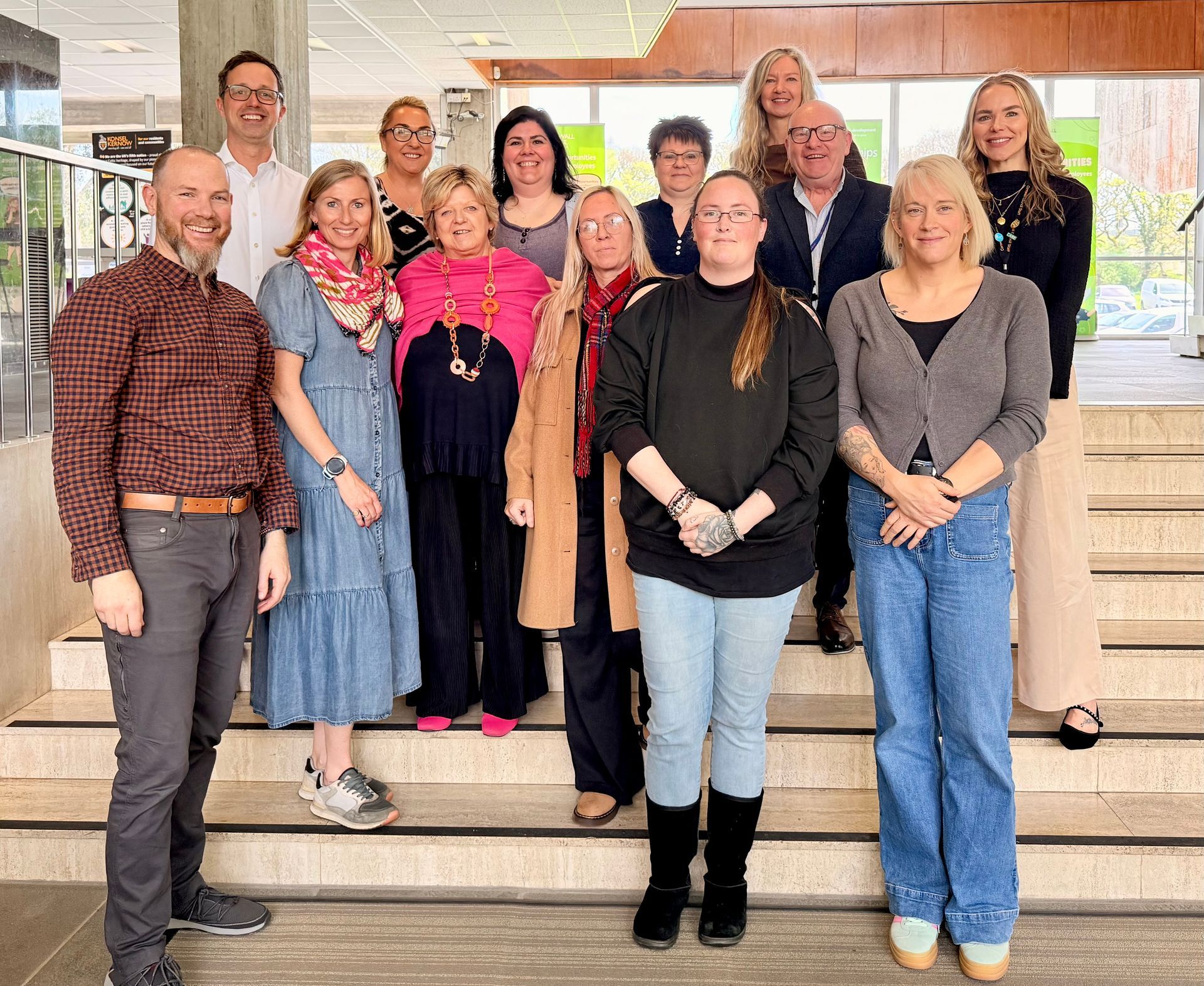
Great care starts with great leadership - and great leadership never stops growing.

Every year, Multiple Sclerosis (MS) Awareness Week offers us the chance to elevate understanding of MS, support those affected, and contribute to advocacy and research that bring us closer to better treatments and, ultimately, a cure. In 2026, MS Awareness Week runs from March 8–14, a global observance led by the National Multiple Sclerosis Society and partner organisations working to educate, connect, and empower people living with MS. 🧠 What Is Multiple Sclerosis? Multiple sclerosis is a chronic autoimmune disease in which the immune system attacks the myelin sheath-the protective covering of nerve fibers disrupting communication between the brain and the rest of the body. MS affects millions worldwide and is most commonly diagnosed in young adults, particularly women. Symptoms can vary widely and often overlap with other conditions, but may include: Fatigue and weakness Numbness or tingling Blurred or double vision Balance and coordination challenges Memory or concentration difficulties Speech and swallowing changes Because MS can look different for everyone, early and accurate diagnosis is key to effective care. 🔍 Diagnosis & Early Detection Diagnosing MS often requires a combination of: Medical history review Neurological examinations MRI imaging Spinal fluid analysis Symptom tracking over time Advances in imaging and diagnostic methods now allow for earlier and more accurate detection, enabling timely treatment that reduces relapses and preserves long-term function. 💊 Therapy & Treatment Advances While there is currently no cure for MS, treatment options have expanded to help manage symptoms and improve quality of life: Disease-modifying therapies (DMTs) to reduce relapses Corticosteroids for acute flare-ups Immunomodulators to adjust immune system activity Rehabilitation therapies including physical, occupational, and speech therapy Lifestyle approaches such as diet, sleep, and stress management Ongoing research continues to refine treatments, targeting both the immune system and ways to protect nerve cells from damage. ❤️ Mental Health Support MS is as much an emotional journey as a physical one. Many people living with MS experience anxiety, depression, or stress related to changes in function, uncertainty, and navigating healthcare systems. Support can come from: Individual therapy Support groups Peer connections Therapy helps build coping strategies, process emotions, and foster resilience, which is vital to overall well being. 👨👩👧👦 Families & Caregivers Caregivers play an essential role in the MS journey providing emotional support, managing appointments, and adapting daily routines. This role is rewarding but can also be emotionally demanding. 🌍 How You Can Get Involved MS Awareness Week is about education, connection, and action. There are many ways to make a difference: Walk MS Events – Community gatherings raise funds and show solidarity with people living with MS. Fundraising & Peer Events – From virtual challenges to creative campaigns, every effort supports research and services. Share Your Story – Personal experiences help others feel seen and strengthen community bonds. Advocate for Better Care – Support campaigns that improve early diagnosis and access to care worldwide. Donate or Volunteer – Your time or financial support fuels research, education, and vital services. ✨ Why MS Awareness Week Matters MS Awareness Week reminds us that MS impacts more than just the individual, it affects families, communities, careers, and well being. Raising awareness helps reduce stigma, encourage early care, and broaden support networks for everyone living with this complex condition. At Riverside, we stand with the MS community—not just during Awareness Week, but all year long. Together, we can support research, advocate for equitable care, and honour the lived experiences of those navigating MS every day.

At Riverside, we believe that good care is not just about meeting needs, it’s about making people feel safe, valued, and truly seen for who they are. For many individuals within the LGBTQIA+ community, accessing healthcare hasn’t always felt safe or inclusive. Past experiences of discrimination, misunderstanding, or judgement can create real barriers to seeking support. T hat’s why it’s so important that healthcare providers actively work towards creating environments where everyone feels respected and comfortable. Inclusivity isn’t about grand gestures-it’s about the small, consistent actions that build trust every single day. 🏳️🌈 Creating a Space That Feels Safe First impressions matter. From the moment someone engages with a service, they are asking themselves, “Is this a place where I can be myself?” Simple steps like inclusive imagery, visible signs of support, and clear messaging around equality can make a powerful difference. It shows that inclusivitey is not just spoken about it’s lived. 🗣️ The Power of Language Language is one of the most important tools we have in care. Using inclusive, respectful language such as asking someone their preferred name and pronouns can instantly build trust. Avoiding assumptions about relationships or identity allows individuals to share what they feel comfortable with, in their own time. Sometimes it’s not about saying more, but about saying things more thoughtfully. 📋 Inclusive Documentation Matters Something as simple as a form can either include or exclude. By offering options beyond traditional gender categories, allowing space for preferred names, and removing unnecessary questions, services can become more welcoming from the very first interaction. 🧠 Building Confidence Through Training Providing truly inclusive care means ensuring staff feel confident and informed. Ongoing training helps teams understand different identities, experiences, and challenges faced by the LGBTQIA+ community. It also gives staff the tools to respond appropriately, ask respectful questions, and handle situations with sensitivity. Importantly, it teaches that it’s okay to get things wrong—as long as we are willing to listen, learn, and do better. ❤️ Understanding Lived Experiences Many LGBTQIA+ individuals—particularly older adults—have experienced years of stigma or exclusion. This can impact how they engage with healthcare today. Being aware of this helps us provide care that is not only practical, but compassionate and trauma-informed. It reminds us to approach every person with empathy, patience, and without assumption. 🏡 Respecting Identity in Care Settings In home and community care, trust is everything. Respecting someone’s identity means protecting their privacy, honouring how they choose to express themselves, and never making assumptions about who they are. For some individuals, their identity may not be something they feel safe sharing openly and that must always be respected. 👥 Person-Centred Care Above All No two people are the same. Rather than making assumptions, good care means listening, adapting, and responding to each individual as a person—not a label. Following someone’s lead, respecting their boundaries, and building genuine relationships are at the heart of inclusive care. 📢 Listening and Learning from the Community The most meaningful improvements come from listening. Engaging with LGBTQIA+ individuals and communities helps services grow, improve, and remain relevant. Feedback, lived experiences, and open conversations are key to shaping care that truly meets people’s needs. 🏳️⚧️ Supporting Trans and Non-Binary Individuals This is an area where healthcare can often improve. Respecting chosen names, understanding that gender identity is personal, and maintaining dignity in all aspects of care are essential. Clear communication, consent, and sensitivity go a long way in building trust. 💬 Making Inclusion Part of Everyday Culture Inclusivity should never feel like a tick-box exercise. It’s about creating a culture where respect is the norm, where differences are celebrated, and where people feel safe to be themselves. This includes challenging inappropriate language, encouraging open conversations, and continuously reflecting on how we can do better. ✨ What Inclusive Care Really Means At its heart, inclusive care is simple: It’s about creating a space where no one feels they have to hide who they are to receive support. At Riverside, we are committed to continuing this journey-learning, growing, and ensuring that every individual we support feels safe, respected, and valued.
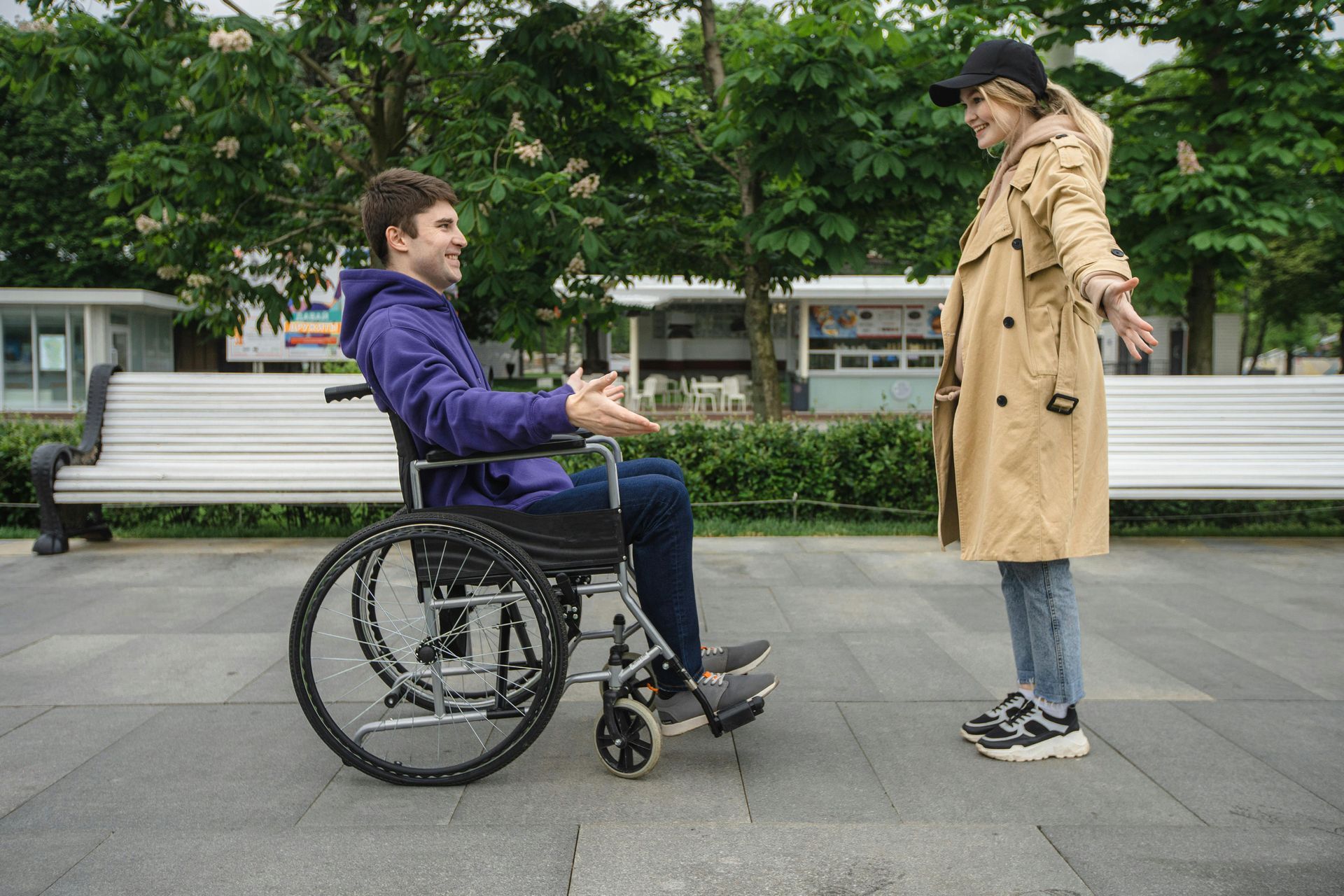
At Riverside Support, we believe that great care starts with understanding. Every person we support is unique, and while a diagnosis can guide us, it’s the individual behind it that truly matters. Below is a closer look at some of the conditions we support and how we provide care that is compassionate, consistent, and empowering. Supporting Someone with Dementia at Home Dementia can be a deeply emotional and often confusing condition, not only for the person living with it, but also for their loved ones. It can affect memory, thinking, behaviour, and the ability to carry out everyday tasks. At Riverside Support, we provide personalised dementia care that allows people to remain in the comfort and familiarity of their own homes, where they feel safest. What you might notice Memory loss, particularly around recent events Confusion about time, place, or people Changes in mood, personality, or behaviour Difficulty completing familiar daily tasks Simple ways to help at home Maintain a consistent daily routine to reduce confusion Use clear, calm, and reassuring communication Avoid correcting or challenging—instead, offer reassurance and comfort Keep the environment familiar and clutter-free Even small acts of consistency and kindness can reduce anxiety and help someone feel more secure and confident in their surroundings. Helping with Mobility Issues at Home Mobility challenges can arise for many reasons, including age, illness, injury, or long-term conditions. These challenges don’t just affect physical movement, they can also impact confidence and independence. We support individuals with mobility needs by promoting safety while encouraging as much independence as possible. Common challenges Difficulty walking or standing Increased risk of falls Reduced confidence when moving around Practical support tips Keep walkways clear, tidy, and well-lit Encourage gentle, regular movement where possible Use aids such as grab rails, walking sticks, or frames Take time - never rush movements or transfers Building confidence is just as important as physical support. Feeling safe can help someone regain trust in their own abilities. Supporting Someone with Autism at Home Autism affects how a person experiences and interacts with the world around them. Every autistic individual is different, with their own preferences, strengths, and ways of communicating. At Riverside Support, we focus on creating environments where individuals feel safe, respected, and understood. Things to understand Routine and predictability are often very important Sensory environments (noise, light, touch) can feel overwhelming Communication styles may differ from person to person How to help Keep routines consistent and predictable Use clear, simple, and direct communication Allow extra time to process information and respond Respect personal space and individual preferences The most important thing is to understand the person, not just the diagnosis - and to adapt support around their needs. Supporting People with Learning Disabilities People with learning disabilities may need support with certain aspects of daily life, but with the right approach, they can lead fulfilling, independent, and meaningful lives. Our support focuses on building confidence, developing skills, and promoting independence at every opportunity. How you can help Break tasks down into simple, manageable steps Use clear, easy-to-understand language Encourage independence, even in small ways Be patient, supportive, and positive Celebrating small achievements is key, confidence grows over time, one step at a time. Supporting Mental Health at Home Mental health is just as important as physical health, and challenges can affect anyone at any stage of life. With the right support, people can feel more in control and less alone. At Riverside Support, we provide compassionate, non-judgemental care that prioritises emotional wellbeing. Common signs Low mood or withdrawal from others Anxiety, worry, or feeling overwhelmed Loss of motivation or interest in daily activities Feelings of isolation or loneliness Simple ways to support Be present and listen without judgement Encourage small, manageable daily routines Support opportunities for social connection Be patient, consistent, and understanding Sometimes, simply showing up and being there can make the biggest difference. Supporting Long-Term Health Conditions at Home in Cornwall Living with a long-term health condition - such as Parkinson’s, diabetes, or other ongoing needs - can make everyday life more complex. At Riverside Support, we provide tailored home care across Cornwall, including Helston and Falmouth, helping individuals manage their health while remaining in the comfort of their own homes. Support may include Assistance with medication management Support with daily routines and personal care Monitoring health and overall wellbeing Encouraging healthy habits and lifestyle choices Consistency, reliability, and a familiar support team are key to helping individuals feel safe, confident, and in control of their care. Final Thoughts Every condition we support comes with its own challenges, but also opportunities to provide meaningful, person-centred care. At Riverside Support, we focus on the person first, building relationships based on trust, understanding, and compassion. Because great care isn’t just about meeting needs- it’s about enhancing quality of life. 💛

When people talk about care, they often focus on what gets done; meals prepared, medication given, routines followed. But if you ask someone receiving care, they’ll tell you something different. Good care isn’t just about tasks. It’s about how those moments feel. Because when care is truly person-centred, it doesn’t feel clinical or rushed, it feels supportive and genuinely human. You should never feel like “just another visit” on someone's busy day. Here at Riverside good care means being treated as a person first, someone with a life, a story, preferences, and routines that matter. It’s the little things: Being called the name you prefer Someone remembering how you like your tea A support worker who takes the time to ask how you really are It should feel like they know you, not just your care plan. There’s a big difference between someone hearing you and someone actually listening. You should feel comfortable speaking up, whether it’s about how you’re feeling, what you’d like to change, or even just having a chat. More importantly, you should feel like what you say makes a difference. Needing support doesn’t mean losing your independence. You should still feel in charge of your own life, your routines, your choices, your preferences. Whether it’s deciding what time you get up, what you eat, or how things are done, your voice should always be part of the decision. No two people are the same, so care shouldn’t be either. Good care adapts to you, your routines, your lifestyle, your needs as they change. Not the other way around. You shouldn’t feel like you have to “fit into” a service. The service should fit around you.

Top Tip from Riverside: Pack light where possible – hospital space can be limited. Focus on essentials first; additional items can always be brought in later. Important Documents & Information • Hospital admission letter • Photo ID (passport or driving licence) • NHS details or relevant healthcare documents • Written list of medications and dosages • Emergency contact numbers • Advance care plans or important notes for staff Clothing & Comfort • Loose, comfortable clothing • Pyjamas or nightwear (easy post-surgery options) • Dressing gown and non-slip slippers • Underwear and socks • Light layers Personal Care & Toiletries • Toothbrush and toothpaste • Soap or shower gel and deodorant • Hairbrush or comb • Lip balm and moisturiser • Towel and flannel • Wet wipes • Glasses, hearing aids, or dentures (with cases) Entertainment & Staying Connected • Mobile phone and charger (long cable recommended) • Headphones or earplugs • Books, magazines, puzzles, or tablet • Notebook and pen Snacks, Drinks & Essentials • Bottled water • Sugar-free mints or sweets • Light snacks (if allowed) • Current medications (in original packaging) • Walking aids or mobility equipment if needed Personal Comfort & Emotional Support • Family photo or small comfort item • Earplugs and eye mask • Notebook with positive messages or affirmations Riverside Reminder: We believe hospital stays should feel safe, dignified, and person-centred. Bringing familiar items and clear information helps staff understand you and your needs .
In recent years, the conversation around pronouns has grown louder, and for good reason. While you might think pronouns are just a small part of language, they carry a weight far beyond grammar. Pronouns are about identity, respect, and human dignity - and they matter everywhere, not just in healthcare. Pronouns Affirm Identity Every person has the right to define who they are. Using someone’s correct pronouns acknowledges their identity as valid and respected and can bring a sense of euphoria. Misgendering someone even unintentionally can cause emotional distress, erode trust, and make people feel invisible. Conversely, taking the time to ask and use correct pronouns shows that you see and value them for who they are. Beyond Healthcare: Pronouns in Daily Life While healthcare settings often highlight pronoun importance, because misgendering can directly impact the person's mental health and well-being and their care, pronouns are essential in all aspects of life: Workplaces: Respecting pronouns fosters inclusivity, supports mental wellbeing, and helps create a culture of belonging. Education : Schools and universities that encourage pronoun use demonstrate that every student’s identity is taken seriously. Social Spaces: Friends, clubs, and community groups thrive when members feel seen and respected. Pronouns aren’t just “politically correct” language - they’re a simple act of human kindness. Creating Respectful Habits Incorporating pronouns into everyday life doesn’t need to be complicated: Share yours first – Model the behaviour by introducing yourself with your pronouns. Ask, don’t assume – A simple “What pronouns do you use?” goes a long way. Correct gently – If you make a mistake, apologise, correct yourself, and move on. It shows accountability and respect. Normalise pronouns – Include them in email signatures, name badges, and introductions. This removes stigma and creates a culture where everyone feels welcome. The Power of Pronouns At their core, pronouns are a daily act of affirmation. They tell people: “I see you. You matter. Your identity matters.” They aren’t just words - they are a reflection of respect, empathy, and humanity. Whether in healthcare, at work, or among friends, making the effort to use the correct pronouns transforms interactions. It’s a small action with a big impact, one that can foster connection, trust, and empowerment. Let’s make pronouns a part of every conversation, not just because it’s respectful, but because it’s essential for creating a world where everyone belongs. Informative and empowering facts about pronouns: 1. Pronouns are central to identity A pronoun is how we refer to someone without using their name. Common examples include he/him, she/her, they/them, but pronouns can also be xe/xem, ze/hir, and many more. Using the correct pronouns affirms a person’s gender identity and communicates respect. 2. Misusing pronouns can cause harm Referring to someone with incorrect pronouns (misgendering) can lead to emotional distress, anxiety, and exclusion. Studies show that misgendering can negatively impact mental health, especially for transgender and nonbinary individuals. 3. Pronouns are not limited to gender Pronouns exist in all languages and can indicate number, formality, or grammatical function, but in modern social context, they are most often linked to gender identity. Respecting pronouns isn’t just about gender—it’s about acknowledging how someone wants to be seen. 4. “They” can be singular Singular they has been used in English for centuries as a gender-neutral pronoun. It is recognised by dictionaries, linguists, and style guides (like APA and MLA) as grammatically correct for singular use. 5. Sharing pronouns is inclusive Including your pronouns in introductions, email signatures, or name badges normalizes diversity and reduces assumptions. It signals that your environment is safe, welcoming, and affirming for everyone. 6. Pronouns help build empathy and trust Using someone’s correct pronouns shows that you listen, respect, and care. In healthcare, schools, workplaces, and social settings, pronoun respect enhances communication and relationships. 7. Pronouns are evolving Language evolves with society. New pronouns like xe/xem, ze/hir, ve/ver are gaining recognition to reflect a wide spectrum of identities. Being open to learning and using new pronouns shows adaptability and respect for individuality.