
What we offer / Why work with us?
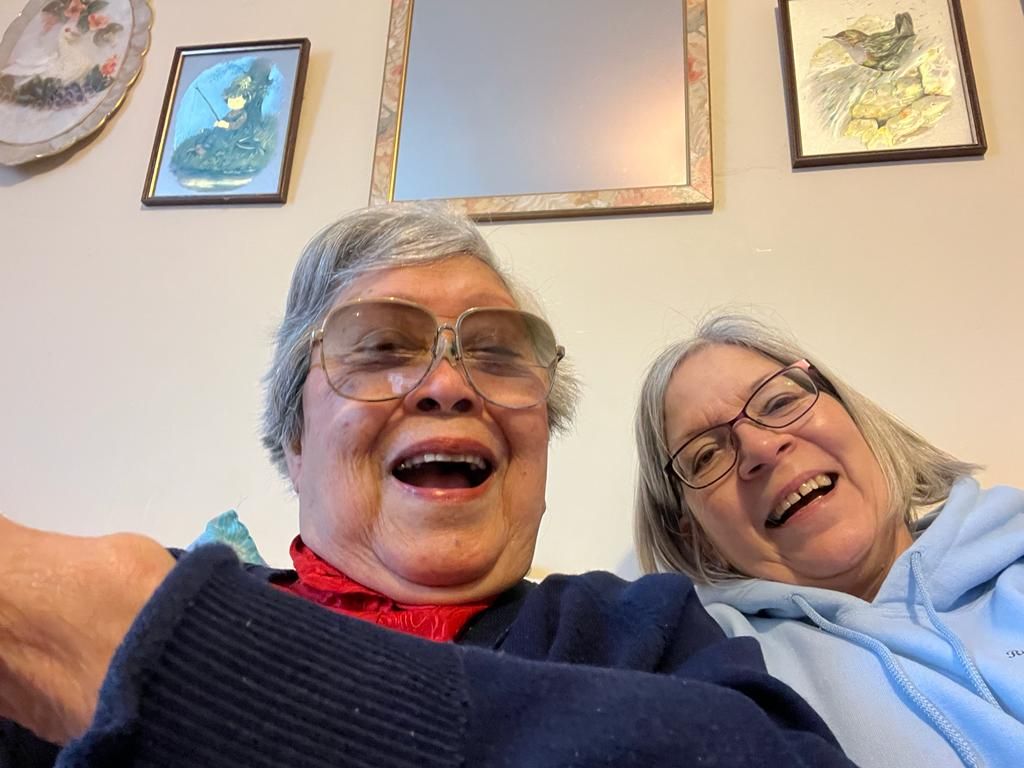
What's special about us
What makes us truly special is the way our values are not just words on paper - they are lived, felt, and reflected in every interaction, every decision, and every relationship we build.
At Riverside, everything begins with Empowerment & Independence
- your life, your way.
We champion
confidence, choice, and the freedom for people to live on their own terms, shaping support around what matters most to them.
We deeply value Individuality & Authenticity, creating space for people to be unapologetically themselves. We celebrate uniqueness and ensure everyone we support -and everyone in our team, can thrive as their true self without fear or judgement.
Our approach is grounded in Compassion & Kindness. We lead with warmth, empathy, and genuine care, always treating people with dignity, respect, and understanding. It’s care that comes from the heart, not just a role or responsibility.
We are proud to build an environment of Inclusivity & Non-Judgement,
where everyone belongs. We create safe, welcoming spaces where people feel accepted, valued, and supported exactly as they are.
Through Community & Connection,
we focus on more than just support - we focus on belonging. We nurture meaningful relationships, reduce isolation, and help people stay connected to the people, places, and opportunities that matter most to them.
And everything we do is underpinned by Trust & Integrity
- a promise you can rely on. We are honest, consistent, and accountable, committed to delivering care and support people can depend on every single day.
We also believe in the power of working collaboratively and in partnership
with other incredible healthcare professionals, ensuring people receive joined-up, holistic support that reflects their whole life, not just one part of it.
At Riverside, what’s special about us is simple: we don’t just provide support - we build relationships, nurture confidence, and walk alongside people as they live life in a way that feels right for them.
We don’t just offer jobs — we offer the chance to build a meaningful career where you are valued, developed, and part of something that truly makes a difference.
Our support focuses on empowering people to live well in their own homes and communities, promoting independence, confidence, and choice.
We do not provide personal care as part of our service, which allows our team to focus on building genuine relationships, meaningful engagement, and high-quality, person-centred support, whilst working collaboratively and in partnership with other incredible healthcare professionals.
Flexible working that fits your life
We offer a range of working patterns to suit different lifestyles and commitments. Our shifts typically run between 8am and 6pm, with both full-time and part-time roles available.
Whether you’re looking for:
A few hours a week
Work that fits around the school run or other commitments
Or a full-time career in healthcare
We will work with you to find a pattern that supports both your life and your ambitions.
A culture built on inclusion, respect, and purpose
We are proud to build a culture where every colleague is welcomed, respected, valued and inspired. We believe people thrive when they can be their authentic selves, feel safe, and are trusted to bring their personality, ideas, and strengths to work.
We focus on meaningful relationships - not just with the people we support, but within our team. We work in a way that encourages openness, honesty, and collaboration, where everyone’s voice matters.
Learning, growth, and “The Riverside Magic”
We don’t just train staff - we develop individuals. From your very first day, you will be supported through a full induction, hands-on mentoring, and ongoing training to help you feel confident and capable in your role.
With time, experience, and support, we actively encourage progression. Many of our team grow into senior roles where they support and guide new staff, helping to pass on knowledge and show what “The Riverside Way” of care looks like in practice - compassionate, respectful, and empowering.
Support that starts from day one
New team members are fully supported through:
Structured induction and shadowing
Introduction to the people you will be supporting
Ongoing mentoring from experienced colleagues
Continuous training through our learning and development pathways
We are also open to applicants who do not drive, where suitable opportunities are available.
Innovation, voice, and continuous improvement
We believe the best ideas often come from the people doing the work. That’s why we actively encourage feedback, creativity, and new ideas from all team members. If you see a better way of doing something, we want to hear it.
A team that values positivity and humour
We understand that care work can be both rewarding and challenging. We believe in supporting each other through it all - with kindness, teamwork, and a healthy sense of humour that helps brighten even the busiest days.
Meaningful, life-changing work
Every day at Riverside is an opportunity to make a real difference. The support you provide helps people maintain independence, dignity, and quality of life, often in ways that have a lasting impact.
At Riverside, you are not just part of a service. You are part of someone’s story, and part of a team committed to changing lives one person at a time.
What training or development opportunities do we offer?
We provide a strong foundation of mandatory and specialist training to ensure you feel confident and competent in your role from day one. This includes essential areas such as safeguarding, person-centred care, health and safety, and communication.
Beyond this, we invest in ongoing learning opportunities that reflect both your interests and the needs of the people we support. This can include:
Regular refresher training to keep your knowledge current and confident
Specialist training linked to individual client needs
Opportunities to complete recognised qualifications in health and social care
Leadership and progression pathways for those who want to take the next step
Mentoring and shadowing opportunities with experienced staff and senior team members
Support to grow into senior roles where you can guide, inspire, and support new colleagues
We don’t just aim to train staff, we aim to develop future leaders.
Many of our team members grow with us into senior roles, where they play a key part in shaping culture, supporting others, and showing new staff “the Riverside magic way” of compassionate, respectful, and empowering support.
At Riverside, your growth is our strength.
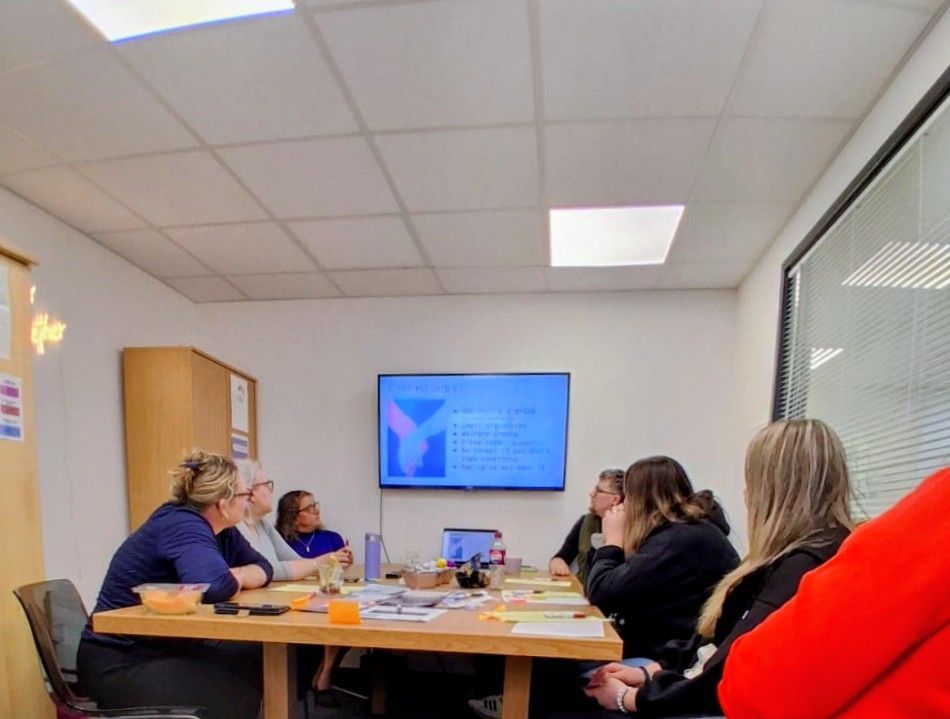
From Awareness to Action: Creating Workplaces That Truly Support Mental Health

Eating and drinking well is one of the simplest, most powerful things we can do to support our overall health and wellbeing. Yet for many people, particularly those living with health conditions, memory challenges, or reduced mobility, it can quietly become one of the hardest. At Riverside, we see this every day. And we also see how small, thoughtful adjustments can make a very big difference. Why Nutrition and Hydration Matter So Much Food and drink do far more than fuel our bodies. Good nutrition supports our immune system, maintains energy levels, aids healing, and helps protect against a range of health complications. Staying well hydrated supports concentration, kidney function, circulation, and even mood. When either slips, even gradually the effects can be significant. Fatigue, confusion, dizziness, increased risk of falls, and slower recovery from illness can all be linked back to not eating or drinking enough. Yet these signs are often attributed to other causes, meaning the connection to food and hydration is missed. That's why it's so important to stay attentive, and why the people supporting someone in their daily life have such a meaningful role to play. The Challenges People Face There's no single reason why eating and drinking well becomes difficult. For many people, it's a combination of factors: Reduced appetite — Common in older age, or as a side effect of medication or illness. Difficulty swallowing — Known as dysphagia, this affects many people and can make eating feel anxious or uncomfortable. Memory and cognition — Someone living with dementia may forget to eat, lose interest in food, or find mealtimes confusing. Low mood or depression — When motivation is low, preparing food or sitting down to eat can feel like too much effort. Practical barriers — Reduced dexterity, difficulty standing at a cooker, or limited access to fresh food can all get in the way. Sensory changes — Taste and smell can diminish with age or illness, making food feel less appealing. Understanding the why behind someone's relationship with food is the first step to providing the right kind of support. Small Changes That Make a Real Difference The good news is that it doesn't take dramatic intervention to improve things. Often, it's the gentlest adjustments that have the most impact. Keep Meals Familiar and Comforting This isn't the time for culinary adventure. Food that feels familiar, meals someone has always enjoyed, flavours that bring back good memories is far more likely to be eaten and enjoyed. A bowl of soup, a cheese sandwich, or a favourite pudding can be just as nourishing as anything more elaborate, and it carries the added warmth of comfort and recognition. Smaller, More Frequent Portions A large plate of food can feel overwhelming, especially for someone with a reduced appetite. Offering smaller amounts more regularly little and often takes the pressure off and can actually result in better intake overall. A few biscuits with a cup of tea, a small bowl of fruit, or a light snack mid-morning all count. Make Eating Feel Like a Pleasure, Not a Task The atmosphere around mealtimes matters enormously. Sitting together, removing distractions, using familiar crockery, and taking time without rushing all help make eating feel enjoyable rather than functional. A calm, unhurried environment can encourage someone to eat more naturally and comfortably. Gentle Encouragement Goes a Long Way Sometimes all it takes is a cheerful prompt, a friendly presence, or a simple offer "Shall we have a little something?" to make eating happen when it otherwise wouldn't. Encouragement should always be warm and patient, never pressured. Mealtimes should feel safe, not stressful. Hydration: The Quiet Priority Dehydration is surprisingly common, and often overlooked. Many people particularly older adults, have a reduced sense of thirst, meaning they genuinely don't feel the urge to drink even when their body needs fluids. A good rule of thumb is little and often. Rather than expecting someone to drink a full glass of water in one go, keeping a drink close by and offering small sips regularly throughout the day is far more effective. Variety helps too. Not everyone enjoys plain water, and that's completely fine. Tea, warm squash, fruit juice, milky drinks, soups, and smoothies all contribute to fluid intake. Asking what someone enjoys and making sure it's available shows care and increases the likelihood they'll actually drink it. Signs of dehydration to look out for include: Darker urine than usual Headaches or dizziness Confusion or unusual tiredness Dry mouth or lips Less frequent visits to the bathroom If any of these are noticed, offering drinks more proactively and, where needed, raising concerns with a healthcare professional is always the right approach. Mealtimes Are About More Than Food At Riverside, we believe strongly that mealtimes are about far more than nutrition. They are a moment in the day that carries real meaning, a chance for connection, conversation, routine, and enjoyment. For many people we support, sitting down to a meal or sharing a cup of tea is one of the highlights of their day. It's a moment of normality, comfort, and companionship. That's why we approach food and drink not as a task to be completed, but as a genuine part of someone's quality of life. Our team takes time to understand what people enjoy, what feels manageable, and what makes mealtimes feel good. We work collaboratively with families and healthcare professionals where needed, and we're always attentive to changes that might suggest someone needs additional support. When to Seek Further Support While many challenges around eating and drinking can be helped with the right day-to-day support, there are times when professional input is needed. It's worth speaking to a GP or healthcare professional if: Someone is losing weight unexpectedly Swallowing difficulties are causing distress or coughing during meals There are significant changes in appetite or eating habits Dehydration seems persistent despite encouragement Dietitians, speech and language therapists, and community nursing teams can all offer specialist guidance, and early referral is always better than waiting. A Final Word Good nutrition and hydration don't require perfection. They require consistency, attention, and care. The person who makes sure a drink is within reach, who sits down alongside someone at lunchtime, who knows that a warm bowl of porridge will always go down well that person is making a real and lasting contribution to someone's health and happiness. At Riverside, that's exactly the kind of support we're proud to provide. If you'd like to find out more about how Riverside supports people to live well at home, we'd love to hear from you. Call us on 01326 330350 or visit riversidesupportservice.com.
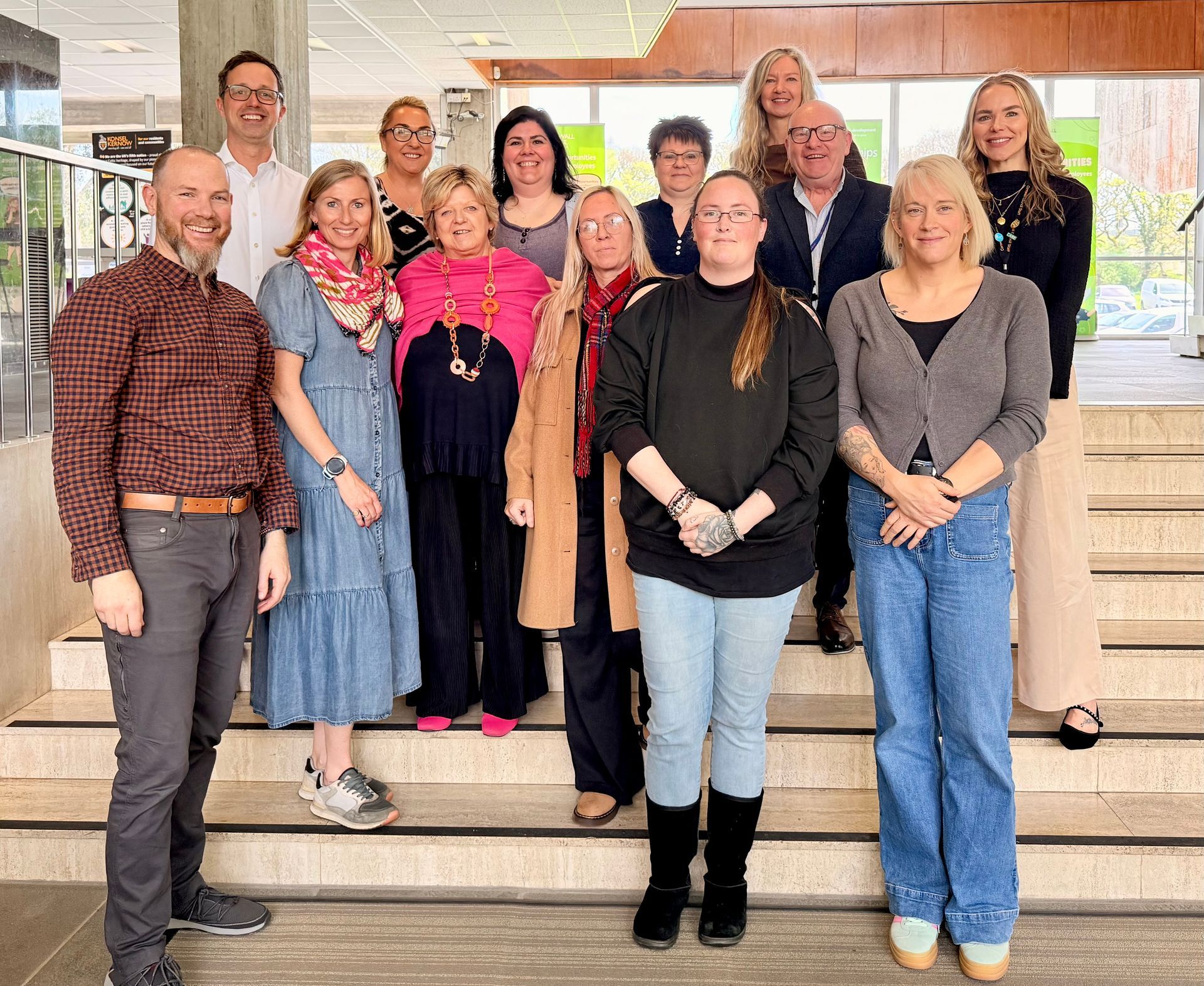
Great care starts with great leadership - and great leadership never stops growing.