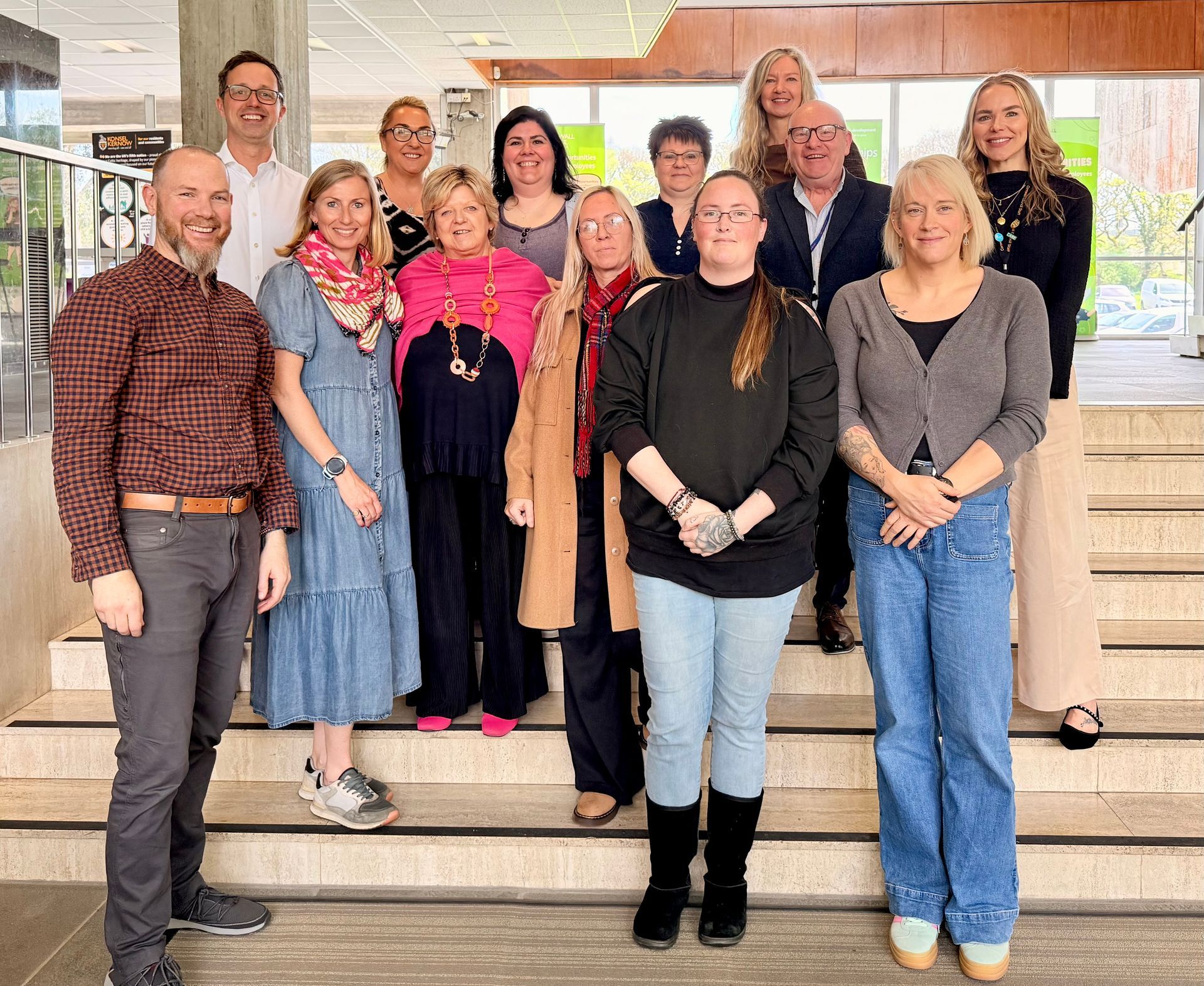
Mental Health at Work: Turning Awareness into Action
From Awareness to Action: Creating Workplaces That Truly Support Mental Health
Mental health is no longer a “nice to have” conversation in the workplace — it’s essential. With more people openly sharing their experiences and the lines between work and home life becoming increasingly blurred, employers have both an opportunity and a responsibility to create environments where people feel supported, understood, and able to thrive.
At Riverside Support Service, we believe mental health awareness must go beyond words. It requires action, consistency, and a genuine commitment to people. Many of us bring lived experience into the work we do, which means we understand first-hand how vital the right support can be.
Why Mental Health in the Workplace Matters
Work plays a significant role in our lives — it can provide structure, purpose, connection, and financial security. But without the right support, it can also become a source of stress, pressure, and burnout.
Poor mental health impacts not only individuals, but teams, productivity, and overall workplace culture. When employees feel unsupported, they are more likely to experience:
- Increased stress and anxiety
- Reduced confidence and motivation
- Higher levels of sickness absence
- Burnout and emotional exhaustion
On the other hand, when mental health is prioritised, workplaces see improved morale, stronger teams, better retention, and a culture built on trust.
Moving Beyond Awareness: What Does “Action” Look Like?
Awareness is important but action is what creates change.
Employers don’t need to have all the answers, but they do need to be willing to listen, learn, and adapt.
Here are some meaningful ways employers can take action:
1. Create a Culture of Openness
Encourage conversations around mental health in a way that feels safe and non-judgemental. This starts with leadership. When managers are open, approachable, and willing to listen, it sets the tone for the entire organisation.
Simple actions like regular check-ins, team discussions, or even acknowledging Mental Health Awareness Week can make
a big difference.
2. Provide Training and Education
Equip managers and staff with the knowledge and confidence to understand mental health. Training can help people recognise signs of distress, respond appropriately, and know where to signpost support.
When people feel informed, they feel more confident supporting themselves and others.
3. Promote Work-Life Balance
Burnout doesn’t happen overnight, it builds over time. Encouraging staff to take breaks, use their annual leave, and maintain boundaries between work and personal life is essential.
Flexible working, where possible, can also support individuals in managing their wellbeing more effectively.
4. Offer Meaningful Support
Support doesn’t have to be complicated or expensive. It might include:
- Access to counselling or employee assistance programmes
- Mental health champions within the workplace
- Clear policies around wellbeing and support
- Safe spaces for staff to talk
Most importantly, it’s about ensuring staff know that support exists — and that they can access it without fear of judgement.
5. Lead with Compassion
Every individual’s experience with mental health is different. Taking a person-centred approach — listening without assumptions and responding with empathy — is key.
Sometimes, the most powerful thing an employer can do is simply ask: “How are you, really?” — and be ready to listen.
The Power of Lived Experience
One of the most impactful ways to reduce stigma is through lived experience. When people feel able to share their stories, it creates understanding, connection, and a sense of not being alone.
Employers can support this by creating environments where people feel safe to be authentic, without fear of judgement or consequence.
At Riverside, lived experience is at the heart of what we do. It shapes how we support others and reminds us that behind every role, every task, and every job title — there is a human being.
Small Actions, Lasting Change
Improving mental health in the workplace doesn’t require grand gestures. Often, it’s the small, consistent actions that have the biggest impact:
- Checking in with a colleague
- Saying thank you
- Recognising when someone might be struggling
- Creating space for honest conversations
These actions build trust, strengthen relationships, and create workplaces where people feel valued.
A Shared Responsibility
Mental health is everyone’s responsibility - not just HR, not just management, but every single person within a workplace.
By working together, we can create environments where people feel supported, empowered, and able to be themselves.
Final Thoughts
Mental Health Awareness Week is a powerful reminder but the conversation shouldn’t stop there.
Let this be the starting point for ongoing action. Because when employers invest in mental health, they’re not just supporting their staff, they’re building stronger, healthier, and more compassionate workplaces for the future.
At Riverside Support Service, we remain committed to leading with empathy, understanding, and action every single day.